Senegal Confirms 17 Deaths in Worst Rift Valley Fever Outbreak in Decades
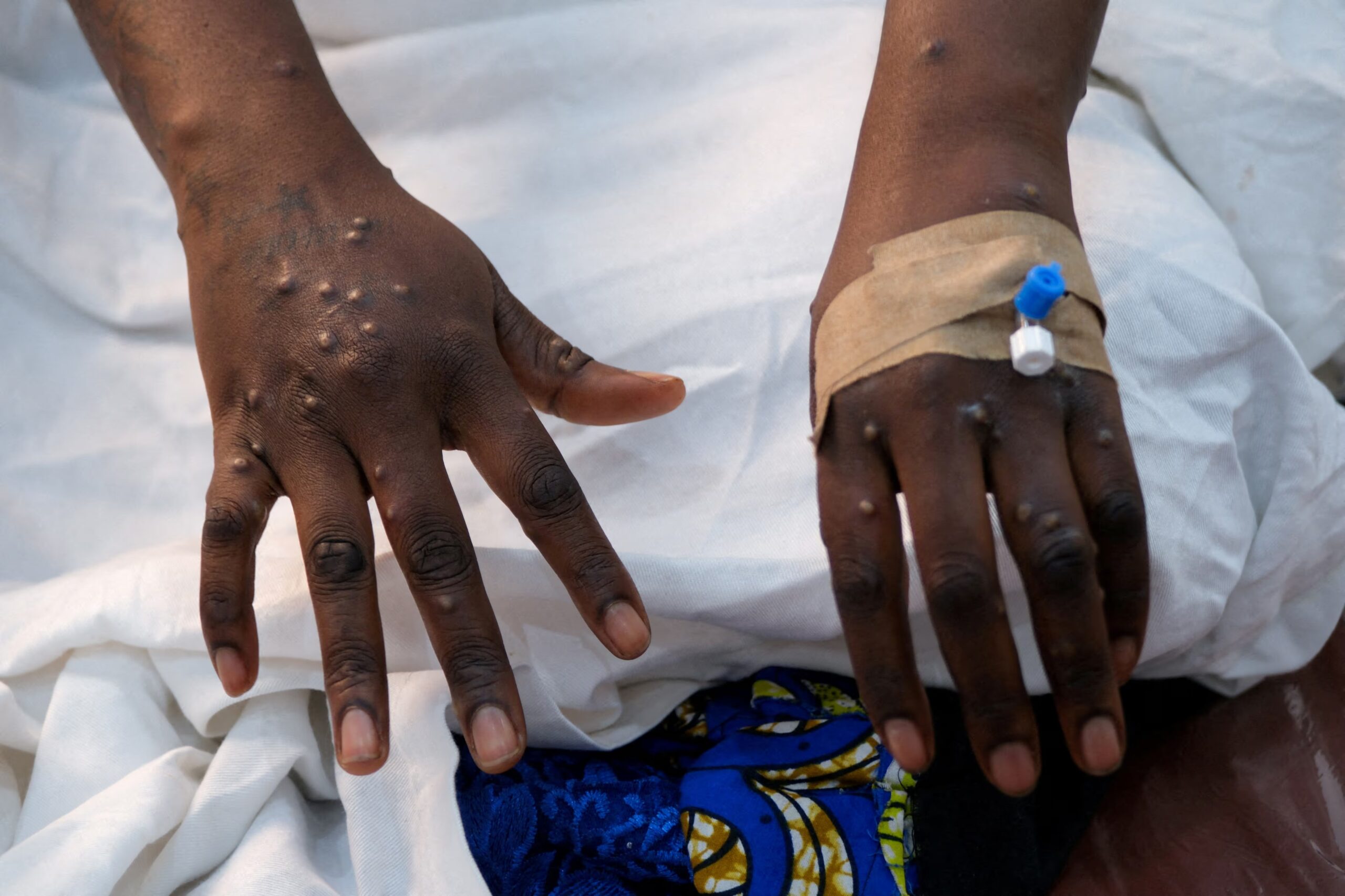
Dakar, Senegal – Health authorities in Senegal have confirmed 17 deaths in what is being described as the country’s most severe Rift Valley Fever (RVF) outbreak in decades. Officials warn that the situation poses a growing threat to both humans and livestock.
According to Dr. Boly Diop, head of RVF surveillance at the Ministry of Health, a total of 119 infections have been reported since the outbreak was officially declared on September 21. Most cases have been recorded in northern regions, known for their high concentration of livestock farming.
“This is the first time Senegal has recorded such a high number of cases,” Dr. Diop told local media outlets.
Understanding Rift Valley Fever
Rift Valley Fever is a mosquito-borne viral disease that primarily affects livestock, including cattle, sheep, and goats. Humans can contract the virus either through mosquito bites or by coming into direct contact with infected animals — especially during slaughtering, birthing, or handling of raw meat and blood.
Although most infections cause mild flu-like symptoms, severe cases can result in hemorrhagic fever, brain inflammation (encephalitis), or eye damage, and may lead to death.
The World Health Organization (WHO) warns that farmers, herders, veterinarians, and slaughterhouse workers are at the greatest risk of exposure.
Climate Change and Rising Risk
Health experts have linked the recent surge in RVF cases to the growing impacts of climate change. Alternating periods of heavy rainfall and extreme heat have created ideal breeding conditions for mosquitoes, which serve as the primary vectors of the disease.
“Changes in weather patterns are expanding mosquito populations in previously unaffected areas,” one epidemiologist noted, calling for urgent adaptation strategies across West Africa.
Historical Context and Preventive Measures
Senegal last experienced a major Rift Valley Fever epidemic in the 1980s, which claimed more than 200 lives. The current outbreak, health officials say, underscores the need for proactive prevention to avert another large-scale crisis.
Authorities are now encouraging the vaccination of livestock, improved mosquito control efforts, and public awareness campaigns to limit further spread.
“Preventing infection in animals is the most effective way to protect people,” Dr. Diop emphasized.